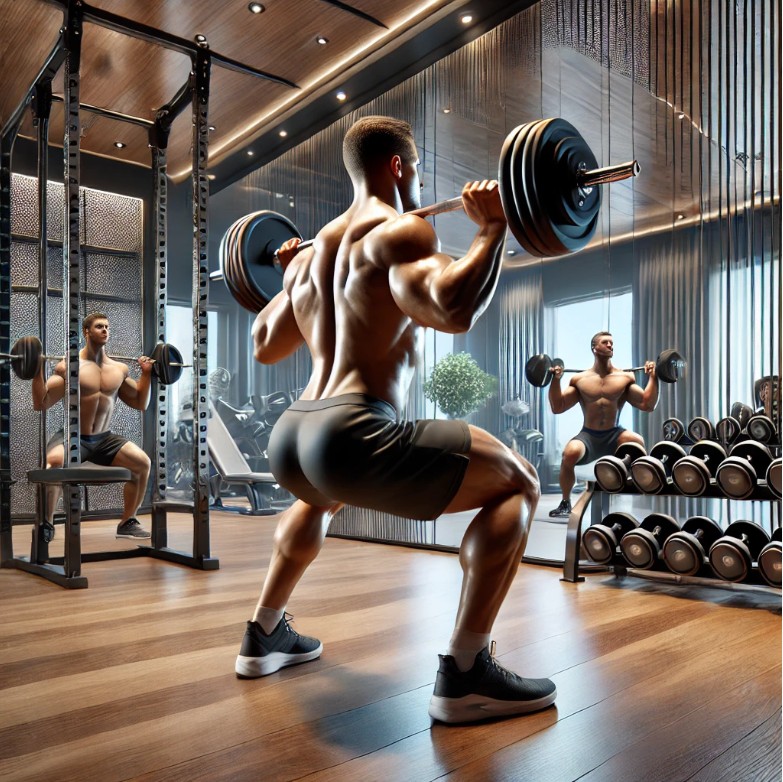
When it comes to leg exercises, squats are among the most effective movements for building strength, power, and muscle. The classic barbell squat has long been considered the gold standard for lower body training, but did you know that dumbbell squats can serve as a perfect alternative to the barbell version? Whether you're looking to improve your leg strength, enhance your fitness routine, or find a more accessible way to perform squats, dumbbell squats offer several advantages that make them an excellent choice for fitness enthusiasts at all levels.
In this article, we will dive into the benefits of dumbbell squats, explore how they compare to barbell squats, and provide practical tips to help you incorporate them into your workout routine. By the end, you’ll have a better understanding of why dumbbell squats are an essential exercise and how they can help you achieve your fitness goals faster.
Why Choose Dumbbell Squats Over Barbell Squats?
1. Accessibility and Convenience
One of the main reasons people turn to dumbbell squats is the convenience factor. While barbell squats require a barbell, weights, and a squat rack, dumbbell squats are far simpler to set up. You don’t need a gym membership or expensive equipment to get started. All you need is a set of dumbbells, which are widely available in most home gyms or fitness centers. This makes dumbbell squats a perfect alternative for those who prefer working out at home or don’t have access to a full gym setup.
2. Enhanced Core Engagement
While barbell squats certainly engage the core muscles, dumbbell squats take it up a notch. Holding a dumbbell in each hand forces you to stabilize your torso, which activates the muscles of your core, including your abdominals and obliques. This added stability challenge helps strengthen your midsection, providing you with better overall core development.
3. Improved Range of Motion
Dumbbells provide a greater range of motion compared to the barbell squat. The positioning of the dumbbells allows you to squat deeper without the risk of the barbell limiting your movement. This improved depth can lead to better activation of the glutes, quads, and hamstrings, making dumbbell squats an excellent option for those looking to maximize lower body muscle activation.
4. Increased Muscle Symmetry
Barbell squats can sometimes lead to muscle imbalances, especially if one side of your body is stronger than the other. With dumbbells, you can work each leg independently, reducing the likelihood of overcompensating with one side. This bilateral movement ensures that both legs are equally engaged, promoting better muscle symmetry over time.
5. Flexibility for Different Fitness Levels
Dumbbell squats are highly versatile and can be tailored to suit different fitness levels. Beginners can start with light dumbbells to master the squat technique and gradually increase the weight as they progress. More advanced lifters can load up heavier dumbbells to increase the intensity of the exercise, ensuring that the movement continues to challenge them as they become stronger.
How to Perform Dumbbell Squats: A Step-By-Step Guide
Performing dumbbell squats correctly is key to getting the most out of the exercise. Here’s a step-by-step guide to ensure you’re doing them right:
1. Position Your Feet
Start by standing with your feet shoulder-width apart. Make sure your toes are pointing slightly outward (about 15-30 degrees) to allow for proper knee tracking.
2. Grab the Dumbbells
Pick up a dumbbell in each hand, and hold them by your sides with a firm grip. Keep your shoulders back and chest up, maintaining a strong posture.
3. Engage Your Core
Before beginning the squat, engage your core by pulling your belly button in toward your spine. This will help maintain stability throughout the movement.
4. Lower into the Squat
Slowly lower your body by bending at the hips and knees. Keep your chest lifted and back straight as you descend, ensuring your knees track in the same direction as your toes. Aim to squat down until your thighs are parallel to the floor, or deeper if flexibility and mobility allow.
5. Push Through Your Heels
Once you’ve reached the bottom of the squat, push through your heels to return to the starting position. Squeeze your glutes at the top to fully extend your legs.
6. Repeat for Desired Reps
Perform 3-4 sets of 8-12 reps, depending on your fitness level and goals.
Benefits of Dumbbell Squats: Data and Research Insights
Increased Strength and Power
A study published in the Journal of Strength and Conditioning Research found that dumbbell squats were highly effective at improving lower body strength, particularly when performed with heavier loads. This study highlights the effectiveness of dumbbell squats for strength training, with significant gains in both leg strength and overall muscle mass observed among participants who incorporated them into their routines.
Enhanced Flexibility and Mobility
Dumbbell squats promote greater flexibility in the hips, knees, and ankles due to the full range of motion they allow. According to a review in the Journal of Sports Rehabilitation, exercises like dumbbell squats that encourage deep knee flexion can help improve joint mobility over time, which is especially beneficial for older adults or those recovering from injuries.
Core Stability and Posture
Research from the National Strength and Conditioning Association (NSCA) indicates that core stability exercises—such as the dumbbell squat—can significantly improve posture and reduce the risk of injury. Since dumbbell squats require greater core engagement than barbell squats, they are a fantastic way to strengthen your midsection and improve your overall stability during other exercises or daily movements.
Dumbbell Squat Variations to Spice Up Your Routine
To keep your workouts exciting and challenge your muscles in different ways, consider incorporating these variations into your dumbbell squat routine:
1. Goblet Squat
Holding one dumbbell close to your chest with both hands, perform a squat as you normally would. The goblet squat is excellent for beginners as it helps promote proper form and balance, while also challenging the core.
2. Dumbbell Split Squat
This is a unilateral squat variation where one leg is placed forward while the other is extended behind you. Hold a dumbbell in each hand and lower your body into a lunge-like position. This exercise is great for targeting the quads, hamstrings, and glutes, and also helps improve balance.
3. Sumo Squat
A wider stance with your toes pointed outward activates different muscle groups compared to the traditional squat. This variation places more emphasis on the inner thighs (adductors) and glutes.
Research & Sources
Credible Studies and Expert Opinions
- Journal of Strength and Conditioning Research: Published studies demonstrating the effectiveness of dumbbell squats in improving strength and muscle hypertrophy.
- National Strength and Conditioning Association (NSCA): Provides expert guidelines on core training and squat variations.
- Journal of Sports Rehabilitation: Research showing the positive impact of squats on joint mobility and flexibility.
These studies and expert resources further solidify the efficacy of dumbbell squats in improving strength, mobility, and overall fitness, which is why they’re such a valuable addition to any workout routine.
FAQ: Dumbbell Squats
1. Are dumbbell squats better than barbell squats?
Dumbbell squats offer several advantages, including increased core engagement, better range of motion, and reduced risk of muscle imbalances. However, barbell squats can be more effective for building maximal strength due to the ability to load heavier weights. Both exercises have their place in a well-rounded fitness routine.
2. How many sets and reps should I do for dumbbell squats?
For beginners, start with 3 sets of 8-12 reps, using a weight that challenges you without compromising form. Advanced lifters may choose to increase the weight and adjust the reps for strength training (4-6 reps per set) or hypertrophy (10-12 reps per set).
3. Can dumbbell squats help with weight loss?
Yes, like all compound exercises, dumbbell squats can help burn calories and contribute to weight loss. Incorporating dumbbell squats into a full-body workout routine that includes cardio and a balanced diet will enhance fat-burning potential.
4. Are dumbbell squats safe for beginners?
Dumbbell squats are generally safe for beginners, provided they focus on proper form and start with light weights. It’s always recommended to seek guidance from a fitness professional when beginning a new exercise routine.
Conclusion
Dumbbell squats are an incredibly versatile and effective exercise that can serve as a perfect alternative to barbell squats. They offer a range of benefits, including improved muscle symmetry, enhanced core engagement, and a greater range of motion. Whether you’re a beginner or an experienced lifter, incorporating dumbbell squats into your fitness routine can help you build strength, improve mobility, and achieve your fitness goals.
Ready to take your leg workout to the next level? Start incorporating dumbbell squats into your routine today, and watch as your strength, posture, and muscle development improve. For more fitness tips, visit Hamilton Home Fitness and take your fitness journey to new heights.